Why Scalable Architecture Is Critical for Modern Digital Products
As startups grow, their technology must evolve to support increasing users, complex workflows, and global scalability. This article explores why scalable architecture is essential for modern digital platforms and how businesses can build systems designed for long-term growth.
Introduction
In the early stages of building a digital product, speed is often the highest priority.
Startups move quickly to develop minimum viable products (MVPs), validate ideas, and launch features that attract early users. During this phase, it is common for teams to prioritize rapid development over long-term technical planning.
While this approach helps startups move fast, it can also create problems later if the underlying system architecture is not designed for scalability.
As products gain traction and user numbers increase, systems must handle greater demand, more complex data flows, and a wider range of integrations. Without scalable architecture, platforms may struggle with slow performance, downtime, or operational inefficiencies.
This is why scalable architecture has become one of the most important foundations for modern digital products.
Understanding Scalable Architecture
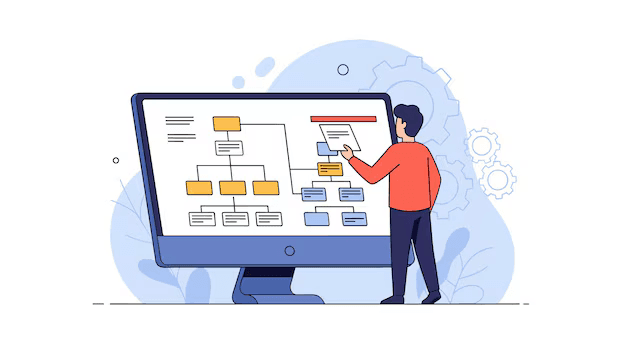
Scalable architecture refers to a system design that can handle increasing workloads without compromising performance or reliability.
In simple terms, scalability ensures that as your product grows, your technology can grow with it.
This means that when user traffic increases, the system should be able to process more requests without slowing down. When new features are introduced, the architecture should support those additions without requiring major restructuring.
Scalability can be achieved in different ways depending on the type of product being built.
Some systems rely on horizontal scaling, where additional servers are added to distribute workload. Others use vertical scaling, where existing servers are upgraded with more powerful resources.
Modern digital platforms often combine both approaches to achieve optimal performance.
The Risks of Poor Architecture
Many startups underestimate the impact of architecture decisions made during the early stages of product development.
While quick solutions may help launch a product faster, they can create technical debt that becomes difficult to manage as the product evolves.
Common problems caused by poor architecture include:
- Slow system performance
- Difficulty adding new features
- Limited integration capabilities
- Security vulnerabilities
- Increased operational costs
In some cases, startups are forced to rebuild entire systems because the original architecture cannot support growth.
This process, known as replatforming, can consume valuable time and resources that could have been spent improving the product itself.

Microservices vs Monolithic Architecture
One of the most widely discussed topics in modern system architecture is the difference between monolithic and microservices-based architectures.
Monolithic Architecture
In a monolithic architecture, all application components are built as part of a single codebase. While this approach can simplify development in the early stages, it often becomes difficult to maintain as the product grows.
Large monolithic systems can slow down development cycles because even small changes require updates to the entire application.
Microservices Architecture
Microservices architecture divides applications into smaller, independent services that communicate with each other through APIs.
This approach allows teams to develop, deploy, and scale individual services independently.
For example, a startup platform might separate services for:
- User authentication
- Messaging
- Notifications
- Analytics
- Payment processing
By isolating these services, developers can scale only the components that require additional resources.

Cloud Infrastructure and Scalability
Cloud computing has transformed the way modern products are built and scaled.
Instead of relying on fixed physical infrastructure, companies can now deploy applications on cloud platforms that provide flexible computing resources.
Cloud providers offer several tools that support scalable architecture, including:
- Container orchestration platforms
- Serverless computing
- Distributed databases
- Load balancing systems
These technologies enable startups to build resilient systems capable of handling global traffic.
Cloud-native development also allows teams to automate deployment processes and monitor system performance in real time.
Designing Systems for Long-Term Growth
Scalable architecture is not only about handling traffic — it is also about designing systems that can evolve with business needs.
Successful digital platforms are built with flexibility in mind. This means designing modular systems that can adapt to new technologies, integrations, and user requirements.
Key principles of scalable system design include:
- Modular architecture
- API-first development
- Automated deployment pipelines
- Strong data management strategies
- Proactive monitoring and observability
By following these principles, development teams can ensure that their platforms remain stable and adaptable as they grow.
Scalability in Startup Platforms
Startup ecosystems and digital collaboration platforms present unique scalability challenges.
Such platforms often support thousands of users interacting simultaneously through features like messaging, networking, events, and content sharing.
These systems must process large volumes of data while maintaining smooth user experiences.
To achieve this, platform developers often implement:
- Real-time communication systems
- Distributed databases
- Caching layers
- Content delivery networks
These technologies allow platforms to deliver fast and reliable experiences even during periods of heavy usage.

Conclusion
Building scalable architecture is not just a technical decision — it is a strategic investment in the future of a product.
Startups that design their systems with scalability in mind can expand faster, introduce new features more easily, and provide better user experiences.
As digital products continue to grow in complexity and reach global audiences, scalable architecture will remain one of the most critical components of successful technology platforms.