The Role of Data Analytics in Building Intelligent Digital Platforms
Modern digital platforms generate vast amounts of data every second. Businesses that can transform this data into meaningful insights gain a significant competitive advantage. This article explores how data analytics drives intelligent platforms, improves decision-making, and enables scalable innovation.
Introduction
In today's digital landscape, data has become one of the most valuable resources for businesses.
Every interaction on a digital platform—whether it is a user clicking a button, sending a message, purchasing a product, or browsing a page—generates data. When analyzed properly, this data provides deep insights into user behavior, product performance, and market trends.
However, raw data alone is not enough.
The true value lies in the ability to convert data into meaningful insights that guide decision-making. This is where data analytics plays a crucial role.
Data analytics allows organizations to collect, process, and interpret large datasets in ways that reveal patterns and opportunities that might otherwise remain hidden.
For digital platforms and technology companies, effective data analytics can mean the difference between simply operating a system and truly understanding how to improve it.

What Is Data Analytics?
Data analytics refers to the process of examining datasets to uncover meaningful information that can guide business decisions.
The analytics process generally involves several steps:
- Data collection – gathering information from multiple sources such as applications, databases, and external systems.
- Data processing – organizing and cleaning the data to ensure accuracy.
- Data analysis – applying statistical methods and algorithms to identify patterns and relationships.
- Visualization and reporting – presenting insights through dashboards and reports.
Through this process, businesses can turn massive amounts of information into actionable intelligence.
Types of Data Analytics
Organizations typically rely on several categories of analytics to interpret their data effectively.
Descriptive Analytics
Descriptive analytics focuses on understanding what has already happened.
This type of analysis summarizes historical data to reveal trends and patterns.
For example, an online platform might analyze user activity over the past month to understand which features were used most frequently.
Diagnostic Analytics
Diagnostic analytics goes a step further by investigating why certain events occurred.
If user engagement suddenly decreases, diagnostic analytics can help identify the cause—whether it is a system issue, a change in user behavior, or an external factor.
Predictive Analytics
Predictive analytics uses statistical models and machine learning techniques to forecast future outcomes.
For example, digital platforms can analyze historical data to predict which users are likely to become paying customers or which features will attract higher engagement.
Prescriptive Analytics
Prescriptive analytics provides recommendations on what actions organizations should take based on data insights.
These recommendations can help businesses optimize strategies, allocate resources more efficiently, and improve overall performance.
Data Analytics in Digital Platforms
Digital platforms generate enormous volumes of data because they facilitate constant interaction between users and services.
Examples of platform-generated data include:
- User engagement metrics
- Transaction records
- Messaging activity
- Search queries
- System performance metrics
Analyzing this data allows platform operators to understand how users interact with their products.
For example, analytics might reveal:
- Which features attract the most engagement
- Where users encounter difficulties
- How different user segments behave
These insights allow companies to refine product design and improve the user experience.
Personalization Through Data Insights
One of the most powerful applications of data analytics is personalization.
Modern users expect digital platforms to deliver experiences tailored to their preferences.
Streaming platforms recommend content based on viewing history. E-commerce platforms suggest products based on past purchases.
These personalized experiences are powered by analytics algorithms that analyze user behavior patterns.
By leveraging these insights, platforms can create experiences that feel relevant and engaging for individual users.
Improving Product Development with Data
Data analytics also plays a crucial role in product development.
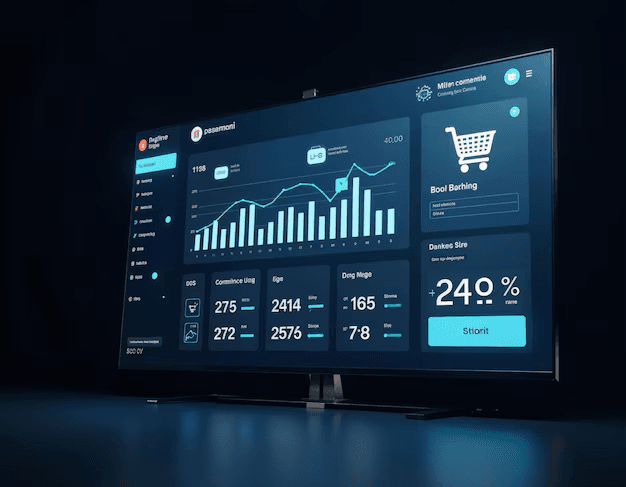
Product teams often rely on analytics dashboards to evaluate how users interact with new features.
For example, a team might analyze:
- Feature adoption rates
- User retention metrics
- Conversion funnels
- User feedback patterns
These insights help teams understand which features are successful and which areas require improvement.
Instead of relying solely on intuition, product teams can use real data to guide development priorities.
Real-Time Analytics and Decision Making
As digital platforms grow, real-time analytics is becoming increasingly important.
Real-time analytics allows businesses to monitor system activity and user behavior as it happens.
This capability is particularly valuable for:
- Detecting system issues
- Monitoring security threats
- Responding to traffic spikes
- Delivering instant insights to users
By analyzing data in real time, organizations can make faster decisions and respond quickly to emerging challenges.
Data Infrastructure for Modern Platforms
Supporting large-scale analytics requires robust data infrastructure.
Modern platforms often rely on technologies such as:
- Distributed databases
- Data warehouses
- Stream processing systems
- Cloud-based analytics platforms
These systems allow organizations to store and process large datasets efficiently.
Data pipelines are typically used to move information between systems, ensuring that analytics tools receive up-to-date data.

Ethical Considerations in Data Analytics
While data analytics provides significant advantages, it also raises important ethical considerations.
Organizations must ensure that data is collected and used responsibly.
This includes protecting user privacy, maintaining transparency, and complying with regulatory requirements.
Responsible data practices help build trust with users and ensure that analytics systems are used ethically.
The Future of Data-Driven Platforms
Data analytics will continue to play a central role in the evolution of digital platforms.
Several trends are shaping the future of analytics:
Artificial Intelligence Integration
Machine learning algorithms are increasingly used to analyze large datasets and uncover complex patterns.
Predictive Customer Insights
Advanced analytics tools will allow businesses to anticipate customer needs before they arise.
Automated Decision Systems
Future platforms may rely on automated analytics systems that recommend or implement strategic decisions.
As these technologies evolve, data analytics will become even more integral to digital innovation.

Conclusion
Data analytics is one of the most powerful tools available to modern businesses.
By transforming raw information into actionable insights, analytics enables organizations to improve decision-making, optimize products, and deliver better user experiences.
For digital platforms, the ability to understand and leverage data effectively is essential for long-term success.
As the digital economy continues to expand, data-driven strategies will play a defining role in shaping the future of technology and business innovation.