The Importance of Digital Platforms in Modern Business Innovation
Digital platforms are reshaping industries by enabling collaboration, scalable service delivery, and data-driven innovation. This article explores how platform-based systems are transforming modern businesses and why organizations must adopt platform thinking to remain competitive.
Introduction
Over the past two decades, digital platforms have fundamentally transformed how businesses operate, innovate, and interact with customers.
Companies are no longer limited to selling products or services through traditional channels. Instead, they are building technology platforms that connect users, businesses, developers, and service providers within integrated digital ecosystems.
Some of the most influential companies in the world today are platform-based organizations. These companies operate systems that allow millions of users to interact, collaborate, and exchange value through digital infrastructure.
Examples include:
- Global e-commerce platforms connecting buyers and sellers
- Professional networking platforms linking professionals and companies
- Cloud platforms enabling developers to build applications
- Financial platforms supporting digital transactions
What makes these systems powerful is not just the technology behind them, but the ecosystems they create.
Digital platforms enable businesses to scale faster, innovate continuously, and create value far beyond what traditional business models could achieve.
Understanding the importance of digital platforms is essential for any organization seeking to thrive in the modern digital economy.
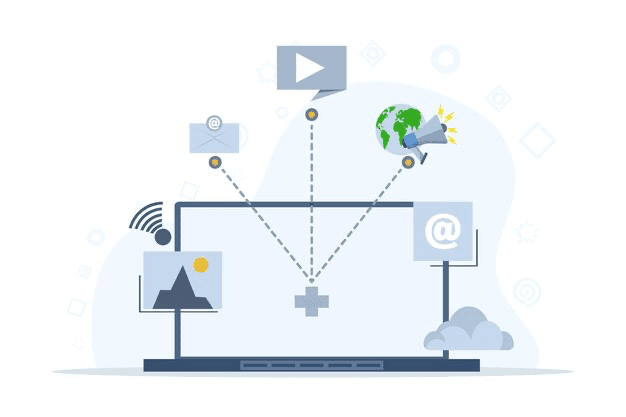
What Is a Digital Platform?
A digital platform can be understood as a technology environment that enables multiple participants to interact, collaborate, and exchange services or information.
Unlike standalone software applications, platforms are designed to facilitate interactions between different user groups.
For example:
- An online marketplace connects buyers and sellers
- A networking platform connects professionals and recruiters
- A startup ecosystem platform connects founders, mentors, investors, and incubators
Platforms provide the infrastructure that enables these interactions to occur efficiently.
This infrastructure typically includes:
- User management systems
- Communication tools
- Data analytics systems
- Payment integrations
- Collaboration tools
By bringing these components together, digital platforms create environments where value is generated through participation.
The Rise of Platform-Based Business Models
The platform economy has grown rapidly because platform-based businesses can scale more efficiently than traditional companies.
Traditional businesses often rely on linear growth models. For example, a manufacturing company must increase production capacity to sell more products.
Platform businesses, however, grow through network participation.
As more users join the platform, the platform becomes more valuable to other users. This phenomenon is known as network effects.
Network effects are one of the most powerful drivers of platform growth.
For example:
- More sellers attract more buyers on an online marketplace
- More developers attract more users on a software platform
- More professionals attract more recruiters on a networking platform
These interactions create a self-reinforcing growth cycle.
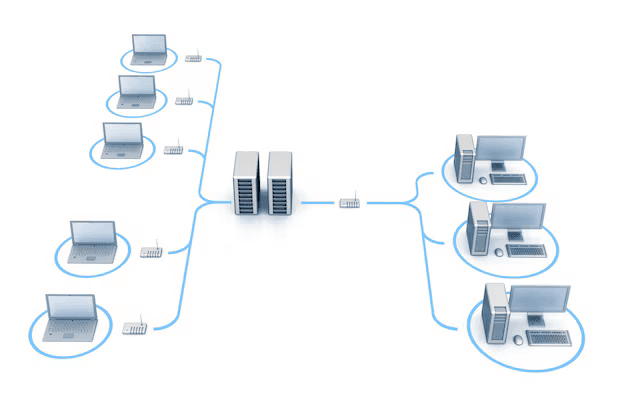
Network Effects and Platform Success
Network effects are central to the success of digital platforms.
When platforms reach a critical mass of users, they begin to grow organically as new participants join to access the existing ecosystem.
There are two primary types of network effects:
Direct Network Effects
Direct network effects occur when a platform becomes more valuable simply because more users are present.
For example, social networking platforms become more useful as more people join because users can connect with a larger network.
Indirect Network Effects
Indirect network effects occur when different groups benefit from each other's participation.
For example, an online marketplace benefits when more sellers join because buyers gain access to more products.
Similarly, buyers attract sellers because the potential customer base increases.
Digital platforms often rely on both types of network effects simultaneously.
How Digital Platforms Enable Innovation
Digital platforms do more than connect users. They also enable innovation by allowing third parties to build services on top of the platform.
This is typically achieved through APIs and developer tools that allow external developers to integrate new features or applications.
For example, a digital platform may allow developers to create:
- Integrations with external tools
- Specialized applications
- Analytics extensions
- Automation workflows
This ecosystem-driven innovation significantly expands the capabilities of the platform.
Instead of relying solely on internal development teams, platforms leverage external communities to create new value.

Data as a Strategic Advantage
One of the most powerful aspects of digital platforms is the data they generate.
Every interaction on a platform produces valuable insights about user behavior, market trends, and system performance.
This data can be analyzed to improve decision-making across multiple areas of the business.
For example, data insights can help organizations:
- Understand customer preferences
- Optimize product features
- Detect emerging market opportunities
- Improve marketing strategies
Companies that leverage platform data effectively can gain a strong competitive advantage.
Digital Platforms and Startup Ecosystems
Digital platforms are particularly important in startup ecosystems where collaboration between multiple stakeholders is essential.
In startup ecosystems, platforms can connect:
- Founders seeking mentorship
- Investors searching for promising startups
- Incubators managing startup programs
- Professionals looking for opportunities
These interactions create environments where innovation thrives.
By providing digital infrastructure for networking, collaboration, and resource sharing, ecosystem platforms help accelerate startup growth.

Challenges in Building Digital Platforms
Despite their advantages, building successful digital platforms is not easy.
Platform developers must address several complex challenges, including:
- Maintaining system scalability
- Ensuring data security and privacy
- Managing platform governance
- Balancing the needs of different user groups
In addition, platforms must continuously evolve to keep up with technological changes and user expectations.
Successful platforms invest heavily in product development, infrastructure, and user experience design.
The Future of Platform Innovation
Digital platforms will continue to play a major role in shaping the future of business.
Several trends are likely to influence platform development in the coming years:
Artificial Intelligence Integration
AI will enable platforms to provide personalized recommendations, automated insights, and intelligent decision support.
Cross-Platform Ecosystems
Platforms will increasingly connect with other platforms through APIs, creating larger digital ecosystems.
Decentralized Technologies
Blockchain and decentralized networks may introduce new ways for platforms to manage data and digital assets.
These innovations will expand the capabilities of digital platforms and unlock new opportunities for businesses and users.

Conclusion
Digital platforms have become one of the most powerful drivers of innovation in the modern economy.
By connecting users, enabling collaboration, and leveraging data insights, platforms create ecosystems where businesses and communities can thrive.
Organizations that embrace platform thinking will be better positioned to innovate, scale, and compete in an increasingly digital world.
As technology continues to evolve, digital platforms will remain at the center of the next wave of business transformation.