Digital Marketing for Technology Startups: Strategies That Drive Sustainable Growth
Digital marketing plays a critical role in helping technology startups reach their target audiences and scale their products. This article explores effective digital marketing strategies that enable startups to build brand visibility, attract users, and achieve sustainable growth in competitive markets.
Introduction
Launching a technology startup involves more than building a great product. Even the most innovative platforms struggle to succeed if potential users are unaware of their existence.
In today's highly competitive digital landscape, startups must adopt strategic marketing approaches that allow them to reach the right audience, communicate their value effectively, and grow their user base consistently.
Digital marketing has become one of the most powerful tools available to technology companies. Through online channels such as search engines, social media platforms, content marketing, and targeted advertising, startups can connect directly with their ideal users.
Unlike traditional marketing methods, digital marketing provides measurable insights that allow businesses to refine strategies continuously and optimize their growth efforts.
For technology startups, building a strong digital marketing strategy is essential not only for customer acquisition but also for long-term brand development.
Understanding the Digital Marketing Landscape
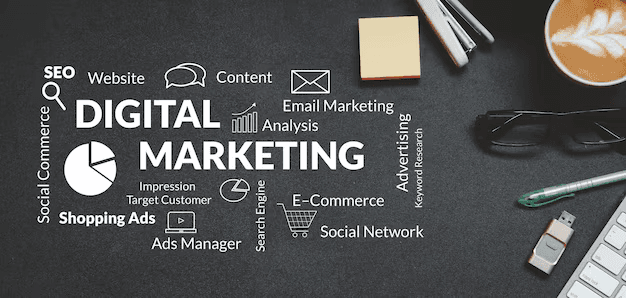
Digital marketing encompasses a wide range of strategies and channels designed to promote products and services online.
Some of the most important components of digital marketing include:
- Search engine optimization (SEO)
- Content marketing
- Social media marketing
- Email marketing
- Paid advertising campaigns
- Influencer partnerships
Each of these channels plays a unique role in attracting users and nurturing customer relationships.
For technology startups, the key challenge lies in selecting the right combination of strategies that align with their target audience and product offering.
The Importance of Building a Strong Online Presence
A startup's website often serves as the foundation of its digital marketing strategy.
The website is typically the first place where potential users learn about the company's product, mission, and capabilities.
To create a strong online presence, startups should ensure that their website:
- Clearly communicates the product's value proposition
- Provides helpful information and resources
- Offers intuitive navigation and user experience
- Loads quickly and performs well on mobile devices
A well-designed website builds credibility and encourages visitors to explore the product further.
Content Marketing as a Growth Engine
Content marketing is one of the most effective strategies for technology startups.
By creating valuable educational content, startups can attract users who are actively searching for information related to their products or industry.
Examples of effective content marketing include:
- In-depth blog articles
- Industry research reports
- Tutorials and guides
- Thought leadership insights
This type of content helps startups establish themselves as trusted authorities in their field.
Over time, consistent content publishing improves search engine visibility and attracts organic traffic.

Search Engine Optimization for Long-Term Visibility
Search Engine Optimization (SEO) plays a critical role in helping startups gain visibility in search results.
When users search for solutions related to a startup's product, SEO ensures that the company's website appears among the top results.
Effective SEO strategies include:
- Optimizing website structure and metadata
- Targeting relevant keywords
- Publishing high-quality content
- Building backlinks from reputable sources
Unlike paid advertising, SEO provides long-term benefits that continue to generate traffic over time.
For startups with limited marketing budgets, investing in SEO can be one of the most cost-effective growth strategies.
Social Media Marketing and Brand Awareness
Social media platforms provide startups with powerful tools for building brand awareness and engaging with communities.
Through platforms such as LinkedIn, Twitter, and Instagram, startups can share insights, updates, and educational content with their audience.
Social media marketing helps companies:
- Build relationships with potential customers
- Showcase product capabilities
- Participate in industry conversations
- Promote content and events
For technology startups, LinkedIn is often particularly valuable because it connects professionals, founders, and industry leaders.

Paid Advertising for Early User Acquisition
While organic marketing strategies take time to produce results, paid advertising can help startups gain visibility more quickly.
Platforms such as Google Ads and social media advertising networks allow startups to target specific audiences based on demographics, interests, and search behavior.
Paid campaigns are often used to:
- Promote new product launches
- Drive traffic to landing pages
- Test messaging and audience segments
When managed carefully, paid advertising can complement organic marketing strategies and accelerate user acquisition.
Email Marketing and Customer Retention
Acquiring new users is only part of the growth equation. Retaining and nurturing existing users is equally important.
Email marketing allows startups to maintain ongoing communication with their audience.
Through newsletters and product updates, companies can:
- Share educational content
- Announce new features
- Promote events or webinars
- Strengthen relationships with users
Well-designed email campaigns help convert interested prospects into loyal customers.
Measuring Marketing Performance
One of the advantages of digital marketing is the ability to measure performance through analytics tools.
Startups can track metrics such as:
- Website traffic
- Conversion rates
- User engagement
- Campaign performance
These insights allow marketing teams to identify which strategies are most effective and adjust their efforts accordingly.
Data-driven marketing ensures that resources are invested in activities that generate meaningful results.

The Role of Technology in Modern Marketing
Technology platforms themselves are transforming how marketing strategies are executed.
Modern marketing teams rely on tools that support:
- Marketing automation
- Content scheduling
- Customer relationship management
- Analytics dashboards
These tools streamline workflows and enable teams to manage campaigns more efficiently.
For startups building digital products, integrating marketing tools directly with platform analytics can provide deeper insights into user behavior.
Building a Sustainable Growth Strategy
Digital marketing is not about quick wins—it is about building a sustainable growth engine that attracts users consistently over time.
Startups that succeed in digital marketing typically follow several key principles:
- Focusing on delivering value through content
- Prioritizing long-term SEO strategies
- Engaging with communities authentically
- Continuously measuring and improving campaigns
By combining these practices, startups can create marketing systems that support both brand growth and product adoption.

Conclusion
Digital marketing has become an essential component of growth for technology startups.
Through strategies such as content marketing, SEO, social media engagement, and targeted advertising, startups can reach their audiences more effectively than ever before.
By focusing on delivering value, building trust, and leveraging data insights, technology companies can develop marketing strategies that drive sustainable growth in an increasingly competitive digital world.