Building Scalable SaaS Platforms: Architecture, Strategy, and Best Practices
Software-as-a-Service (SaaS) has become the dominant model for modern digital products. Building a successful SaaS platform requires more than coding features—it demands scalable architecture, thoughtful product design, and long-term engineering strategy. This article explores the key principles behind building scalable SaaS platforms.
Introduction
Over the past two decades, Software-as-a-Service (SaaS) has transformed how technology products are built and delivered.
Instead of installing software locally on individual machines, SaaS platforms allow users to access applications directly through the internet. This shift has created powerful opportunities for businesses to deliver scalable digital products that can reach global audiences.
Today, many of the world's most successful technology companies operate SaaS platforms. Tools for communication, project management, payments, analytics, marketing, and collaboration are increasingly delivered through cloud-based platforms.
However, building a successful SaaS product requires more than simply deploying software on the web. Behind every scalable SaaS platform lies a carefully designed architecture that supports performance, reliability, and long-term growth.
Understanding how these systems are designed is essential for any organization building digital products.

What Makes SaaS Platforms Different from Traditional Software
Traditional software distribution involved installing applications directly on user devices or company servers.
This approach created several limitations:
- Software updates required manual installation
- System compatibility issues were common
- Scaling infrastructure required physical hardware
SaaS platforms solve these challenges by delivering applications through centralized cloud infrastructure.
Users access the software through web browsers or mobile apps while the backend infrastructure handles data processing, storage, and updates.
This model offers several advantages:
- Automatic updates
- Global accessibility
- Centralized maintenance
- Subscription-based pricing models
For startups and technology companies, SaaS platforms provide a powerful way to build scalable digital businesses.
Core Components of a SaaS Platform
Every SaaS platform is built around several foundational components.
Application Layer
The application layer includes the user interfaces and backend services that power the platform's functionality. This includes dashboards, APIs, data processing services, and integrations with external systems.
Infrastructure Layer
The infrastructure layer provides the computing resources required to run the platform.
This typically includes:
- Cloud servers
- Container orchestration systems
- Load balancers
- Content delivery networks
These components ensure that applications remain available and responsive even under heavy traffic.
Data Layer
The data layer manages the storage and retrieval of information.
Modern SaaS platforms often rely on distributed databases and caching systems to maintain performance while processing large volumes of data.

Designing for Scalability
One of the most important goals when building SaaS platforms is ensuring that the system can scale as usage grows.
Early-stage startups may only have a few hundred users, but successful platforms can grow to support millions.
If the underlying architecture is not designed for scalability, performance problems can quickly emerge.
Key scalability strategies include:
Horizontal Scaling
Instead of relying on a single powerful server, horizontal scaling distributes workloads across multiple machines.
When demand increases, additional servers can be added to handle traffic.
Load Balancing
Load balancers distribute incoming requests across multiple servers to prevent overload.
This ensures that users experience consistent performance even during traffic spikes.
Caching Systems
Caching stores frequently accessed data in memory, allowing systems to retrieve information faster without querying databases repeatedly.
Multi-Tenant Architecture
One of the defining characteristics of SaaS platforms is multi-tenancy.
In a multi-tenant architecture, multiple customers share the same infrastructure while their data remains isolated and secure.
This approach allows SaaS platforms to serve many organizations efficiently without duplicating infrastructure for each user.
For example, a startup ecosystem platform might allow multiple incubators to operate independently while sharing the same underlying system.
Multi-tenancy reduces operational costs while enabling large-scale deployments.

Security and Data Protection
Because SaaS platforms store sensitive information, security is a critical consideration.
Developers must implement strong security measures such as:
- Encrypted data transmission
- Secure authentication systems
- Role-based access controls
- Audit logging and monitoring
Modern SaaS platforms also follow compliance standards such as GDPR and SOC 2 to ensure that user data is protected.
Security must be integrated into every layer of the system architecture.
Continuous Deployment and Product Iteration
Unlike traditional software releases, SaaS platforms are constantly evolving.
Development teams regularly release updates that introduce new features, fix bugs, and improve performance.
Continuous deployment pipelines allow developers to push updates quickly while maintaining system stability.
These pipelines often include automated testing systems that verify code quality before updates are deployed.
This approach enables SaaS platforms to improve continuously without disrupting user experiences.
User Experience and Product Design
While architecture is essential, user experience also plays a major role in the success of SaaS platforms.
A well-designed interface helps users navigate complex functionality while minimizing friction.
Key UX principles for SaaS products include:
- Intuitive navigation
- Clear dashboards
- Responsive design
- Simplified onboarding flows
Successful SaaS products invest heavily in UX design to ensure that users can quickly understand and benefit from the platform.
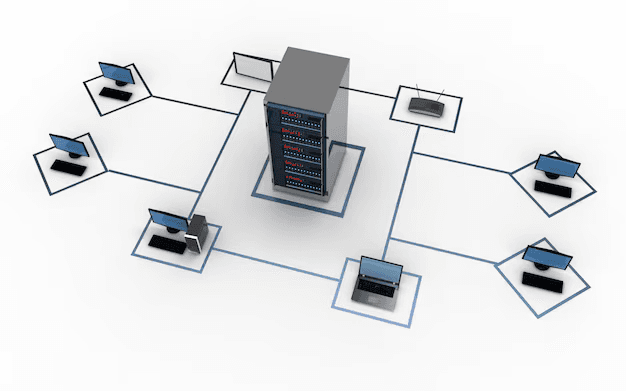
The Role of APIs in SaaS Platforms
Modern SaaS products rarely operate in isolation.
Instead, they integrate with a wide range of external services through APIs.
These integrations may include:
- Payment gateways
- Analytics platforms
- Communication tools
- CRM systems
APIs allow SaaS platforms to extend their capabilities and create ecosystems of connected tools.
The Future of SaaS Platforms
As technology continues to evolve, SaaS platforms are becoming more intelligent and interconnected.
Several emerging trends are shaping the future of SaaS development:
AI-Powered Platforms
Artificial intelligence is increasingly being integrated into SaaS products to automate tasks, analyze data, and improve decision-making.
Real-Time Collaboration
Modern SaaS platforms emphasize real-time collaboration through messaging, notifications, and shared workflows.
Platform Ecosystems
Many SaaS products are evolving into platforms that support developer ecosystems and third-party integrations.
These trends will continue to expand the capabilities of SaaS platforms in the coming years.

Conclusion
Building a scalable SaaS platform requires a combination of strong engineering practices, thoughtful architecture, and user-centric product design.
By focusing on scalability, security, and continuous improvement, companies can create platforms that grow with their users and deliver lasting value.
As businesses increasingly rely on cloud-based software solutions, SaaS platforms will remain at the forefront of digital innovation.